Blog ·
Understanding Craftsmanship in Modern Home Design
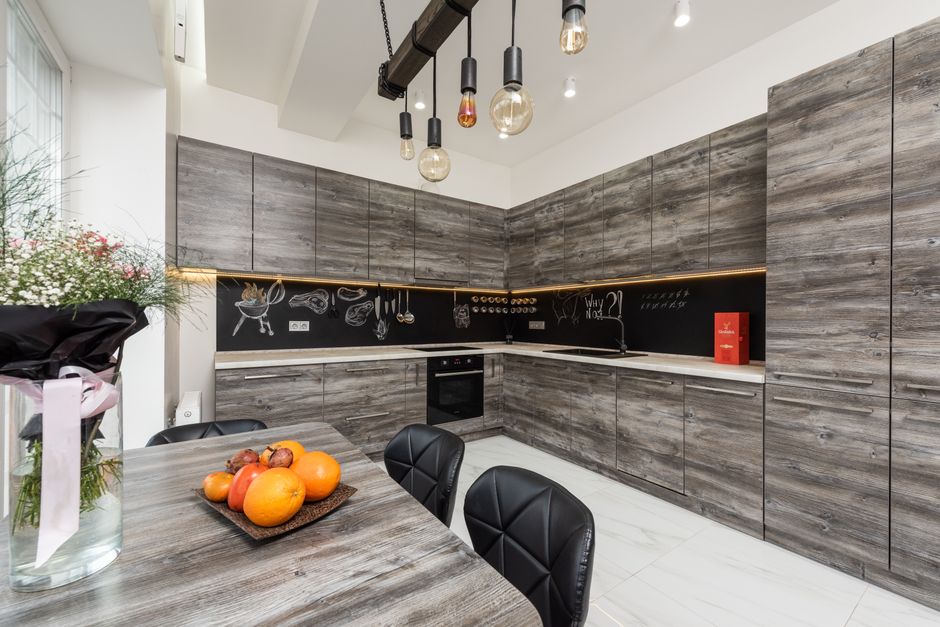
The term craftsmanship gets used loosely in furniture marketing, but true craftsmanship represents something specific: the skillful making of something with attention to detail, quality materials, and time-tested techniques.
Modern interior design doesn't require abandoning these principles. Contemporary homes benefit enormously from handcrafted elements because good design and good making are compatible—they're actually complementary.
A craftsperson creating modern furniture understands proportion, functionality, and aesthetic principles just as well as any industrial designer. The difference is in execution. A handcrafted modern sofa features joinery that creates real strength rather than staples and glue. Drawers operate smoothly through carefully fitted construction rather than metal slides alone. Wood grain patterns are chosen and positioned rather than ignored.
Look at the details that distinguish excellent handmade pieces. Wood selection matters—craftspeople choose specific species for color, grain pattern, and structural properties. Finish quality affects both appearance and protection. Upholstery selection involves understanding fabric durability and how patterns interact with furniture lines. These decisions compound to create something notably better than standard alternatives.
Modern design particularly benefits from handmade construction because contemporary interiors often feature open floor plans and visible furniture. When pieces are exposed rather than clustered, their quality becomes immediately apparent. A handcrafted chair's clean construction details and solid wood actually enhance minimalist or mid-century modern aesthetics.
The craftsmanship advantage extends to functionality. Handmade pieces are built for actual use, not showroom display. Seating heights and depths are determined by ergonomic understanding. Storage designs account for real household items. Table surfaces withstand actual dining. This practical consideration makes handmade furniture work better in your daily life.
Materials tell a craftsmanship story. Solid wood ages beautifully—developing patina and character over time. Quality upholstery resists pilling and fading. Metal hardware functions smoothly after years. These material choices reflect a maker's commitment to longevity.
Understanding craftsmanship helps you recognize what distinguishes handmade pieces. Look for details like hand-fitted joints, book-matched veneers, carefully planned hardware placement, and precision joinery. These elements aren't decorative—they indicate quality construction and thoughtful design.
When you furnish your modern home with handcrafted pieces, you're selecting items that honor both current design trends and lasting value. Craftsmanship isn't outdated or incompatible with contemporary aesthetics. Rather, it's what makes modern design genuinely modern: intentional, thoughtful, and built to endure.